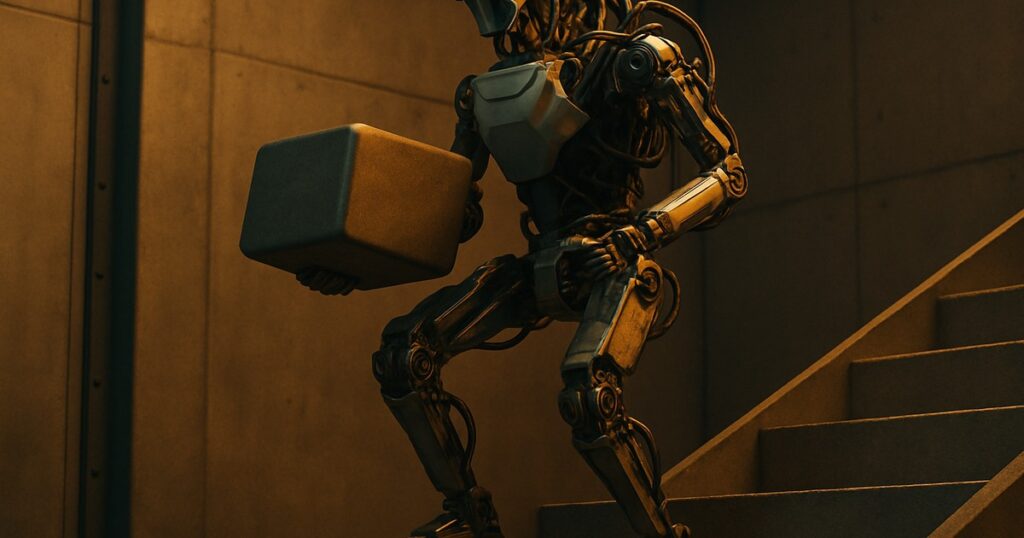
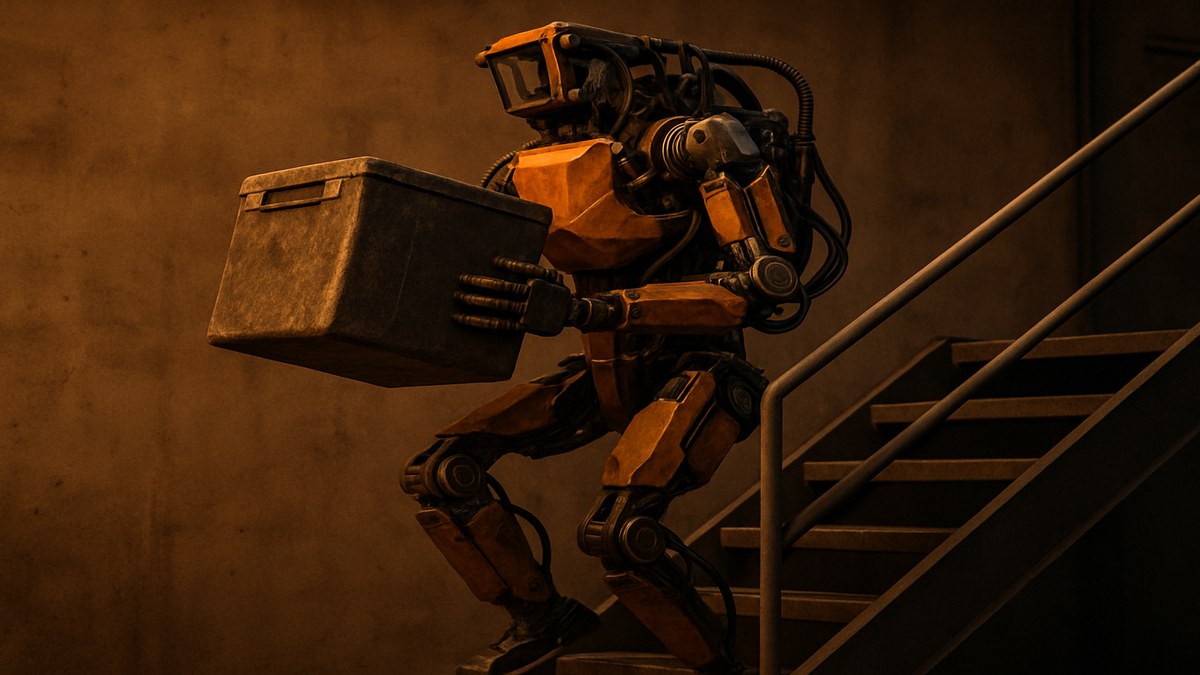
In a significant leap for robotics and automation, Boston Dynamics has unveiled a new capability for its Electric Atlas robot at the Automate 2026 show in Detroit. The demonstration, held earlier today, showcased the Electric Atlas successfully carrying a 50kg payload while navigating a standard industrial staircase. This marks the first public demonstration of Atlas’s new electric actuator system, which replaces the hydraulic components used in its predecessor, the Atlas HD. This advancement not only retains the payload capacity and terrain versatility of the older model but does so while operating four times quieter and utilizing a more energy-efficient 48V DC power supply. Boston Dynamics also announced that the industrial beta program for this groundbreaking robot will open in July 2026, with Hyundai and BMW already confirmed as key participants. The Electric Atlas is priced at $150,000 per unit, with an obligatory 24-month service contract included.
Context
The Automate 2026 show in Detroit provided the perfect stage for Boston Dynamics to reveal the advancements of its Electric Atlas. Boston Dynamics, a leader in robotic innovation, has been steering away from predominantly hydraulic systems to embrace electric actuators that promise enhanced efficiency and reduced noise. This aligns with the increasing demand for quieter and more energy-efficient industrial solutions, especially in sectors like manufacturing and logistics where noise and energy consumption are critical factors. The transition from hydraulic to electric systems signifies a major shift in the robotics industry, reflecting broader trends towards sustainability and cost-effectiveness.
The original Atlas robot, introduced nearly a decade ago, was renowned for its agility and strength, but the reliance on hydraulic systems limited its use in environments where noise and energy efficiency were a priority. By moving to an electric actuator system, Boston Dynamics aims to expand the operational environments for Atlas, making it suitable for a wider range of industrial applications. This evolution comes at a time when robotics technology is rapidly being integrated into various sectors, necessitating advancements that cater to real-world operational challenges.

This week’s announcement is particularly timely given the increasing automation in industries worldwide. Companies like Hyundai and BMW, who are already on board as anchor customers for the Electric Atlas, represent the growing interest in applying advanced robotics to streamline operations. As industries strive to optimize efficiency and reduce operational costs, robots like the Electric Atlas are becoming indispensable tools. The upcoming beta program in July 2026 will likely set the stage for further innovations and adaptations in the use of robotics across various sectors.
What Happened at Automate 2026
Today at Automate 2026, Boston Dynamics demonstrated the Electric Atlas’s ability to carry a substantial 50kg payload while navigating a standard industrial staircase. This demonstration was a pivotal moment, underscoring the robot’s enhanced capabilities with its new electric actuator system. This system, which replaces the traditional hydraulic setup, operates with a significantly quieter mechanism and utilizes a standard 48V DC power source, aligning with broader industry trends toward sustainable energy solutions.
The introduction of the Electric Atlas comes with a host of improvements designed to meet the rigorous demands of modern industrial environments. By operating four times quieter, it addresses a longstanding issue associated with deploying robots in noise-sensitive environments. This quiet efficiency is coupled with the robot’s ability to handle challenging terrains while maintaining its payload capacity, making it a versatile option for various industrial tasks.
Boston Dynamics has set the start of its industrial beta program for July 2026, with Hyundai and BMW leading as its initial customers. This strategic partnership highlights the companies’ mutual commitment to integrating advanced robotics into their operational frameworks. The pricing model for the Electric Atlas includes a base price of $150,000 per unit, accompanied by a mandatory 24-month service contract. This pricing strategy not only reflects the robot’s advanced capabilities but also emphasizes Boston Dynamics’ confidence in the longevity and reliability of its new electric systems.
Why It Matters
The unveiling of the Electric Atlas at Automate 2026 is a milestone that could reshape the landscape of industrial robotics. The shift from hydraulic to electric actuators in robotics represents more than just a technological upgrade; it is a response to critical industry needs for quieter, more energy-efficient, and sustainable operations. For industries like automotive manufacturing, where Hyundai and BMW are prominent players, the Electric Atlas offers a compelling solution to enhance automation without compromising on environmental and operational standards.
This transition to electric systems also aligns with global sustainability goals. As industries worldwide grapple with the need to reduce carbon footprints and enhance energy efficiency, the Electric Atlas represents a step forward in achieving these objectives. By providing a solution that minimizes noise pollution and energy consumption, Boston Dynamics is positioning its robots as key components in sustainable industrial practices.
Furthermore, the adoption of the Electric Atlas by major corporations like Hyundai and BMW signals a broader acceptance and integration of robotics into mainstream industrial processes. This trend is likely to spur further investment in robotics research and development, encouraging innovation across the sector. As robots like the Electric Atlas become more prevalent, they could drive significant improvements in productivity and efficiency across industries, setting new standards for what robotic systems can achieve.
How We Approached This
At Agent Runtime, our editorial approach is deeply rooted in exploring the transformative potential of AI and robotics on local and global scales. For this piece, we focused on the implications of Boston Dynamics’ demonstration of the Electric Atlas, considering how such advancements might influence both industry practices and technological evolution. Emphasizing the Electric Atlas’s shift to electric actuators, we underscored the significance of this transition in the context of broader industry trends toward sustainability and efficiency.
To provide a comprehensive perspective, we drew on information from industry experts, previous reports on Boston Dynamics, and insights into current trends in robotics technology. Our aim was to present a well-rounded analysis that highlights the practical benefits and potential challenges associated with integrating advanced robotics into industrial settings. We chose to prioritize the technological and environmental implications of the Electric Atlas to reflect the interests of our readership at the intersection of innovation and sustainability.
Frequently Asked Questions
What is the Electric Atlas and how does it differ from previous models?
The Electric Atlas is a robot developed by Boston Dynamics, designed to perform industrial tasks with enhanced efficiency and reduced noise. Unlike its predecessors, the Electric Atlas utilizes an electric actuator system instead of hydraulics, allowing it to operate quieter and more energy-efficiently. It retains the payload and terrain capabilities of earlier models while running on a standard 48V DC power source, making it suitable for a range of industrial applications.
Why is the shift from hydraulic to electric actuators significant?
The shift from hydraulic to electric actuators in robotics represents a significant advancement in terms of efficiency and environmental impact. Electric actuators are quieter, more energy-efficient, and easier to maintain than hydraulic systems, making them ideal for industries focused on sustainability and noise reduction. This transition also aligns with global trends toward sustainable energy practices and could lead to broader adoption of advanced robotics in various industrial sectors.
When will the Electric Atlas be available and who are the initial customers?
The Electric Atlas is set to become available through an industrial beta program starting in July 2026. Hyundai and BMW are the confirmed anchor customers participating in this program, highlighting the robot’s potential applications in the automotive manufacturing sector. This early adoption by major corporations is likely to pave the way for further integration of this technology across different industries, promoting advancements in automation and efficiency.
As Boston Dynamics prepares to launch the industrial beta program for the Electric Atlas this July, the robotics industry stands on the brink of a transformative era. This robot’s electric-powered advancements indicate a future where robotics are seamlessly integrated into various industrial processes, driving innovation and efficiency. As industries continue to adopt and adapt these technologies, the ultimate goal remains clear: to enhance productivity while maintaining commitment to sustainability and operational excellence. The Electric Atlas is not just a step forward for Boston Dynamics, but a leap for the entire field of robotics.