
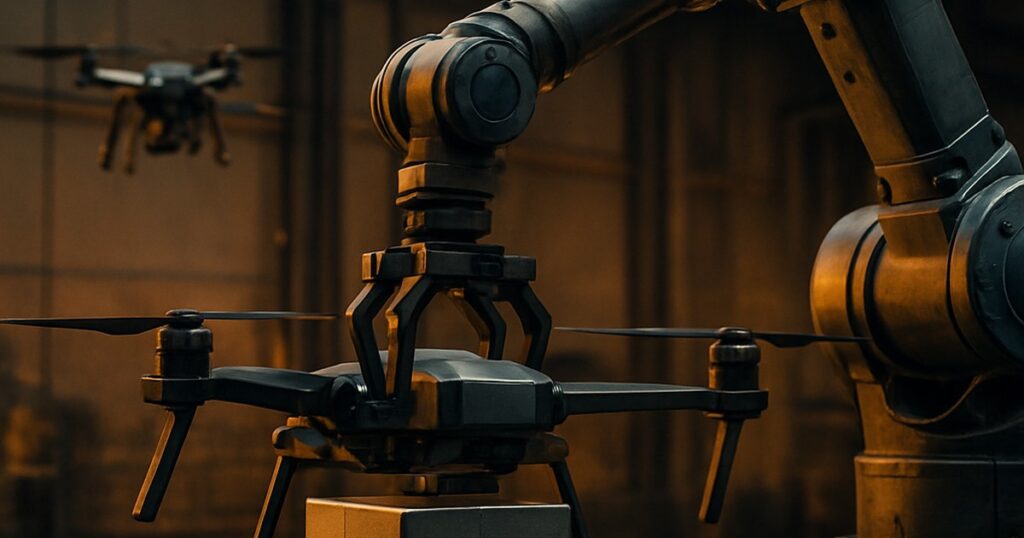
In a landmark achievement for autonomous logistics, Zipline has announced that its cutting-edge delivery drone fleet has crossed 2 million commercial deliveries, effectively doubling the milestone it reached in 2024. These figures are not just about numbers; they represent a monumental shift in how goods are transported across varying geographies. Backed by a staggering $600 million funding round, closed at a valuation of $7.6 billion in January 2026, Zipline is now set to extend its footprint across four US states, including Texas and Arkansas, with additional markets in Houston and Phoenix going online shortly and another undisclosed state anticipated by Q4. This expansion is not merely about covering more ground but about redefining the quality and safety of delivery through its revolutionary Platform 2 (P2) design, which ensures a high standard of safety and efficiency. This article delves into the implications of Zipline’s technological breakthrough and strategic expansion plans, examining how these advancements are poised to transform logistics and consumer delivery as we know it.
Context
Zipline’s journey from its initial market in Pea Ridge, Arkansas, to a global presence involving four continents has been nothing short of transformative for the logistics industry. The company first caught the public’s attention with its innovative use of drones for delivering medical supplies to remote areas in Rwanda and Ghana, setting a precedent for unmanned aerial delivery systems. By 2024, Zipline had already reached the one-million delivery mark, and the pace has only quickened since. This acceleration is driven by the company’s commitment to refining its technology and operational capabilities, which are designed to meet the complex logistical demands of both urban and rural settings.
The timing of Zipline’s current expansion is emblematic of a broader evolution in the drone delivery sector, where increased regulatory acceptance and technological maturity are aligning to create new opportunities. With the Federal Aviation Administration (FAA) increasingly liberalizing airspace regulations for commercial drones, companies are now able to pursue ambitious scaling strategies that were previously hindered by regulatory constraints. This recent funding round underscores investor confidence in Zipline’s ability to capitalize on these favorable conditions and expand its reach within the US market.
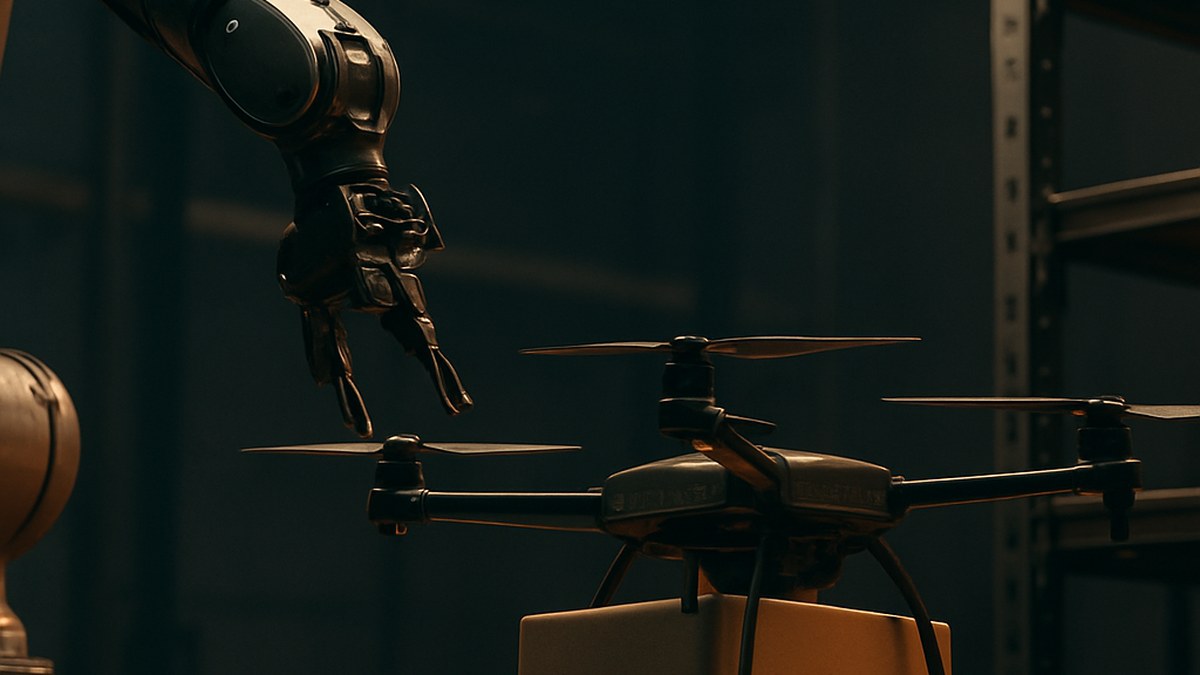
As of 2026, the competition in the drone delivery space is intensifying, with tech giants and startups alike vying for dominance. However, Zipline distinguishes itself through its focus on safety, efficiency, and reliable service, as evidenced by its impeccable safety record of zero serious injuries over 130 million miles flown. This achievement not only solidifies Zipline’s reputation in the industry but also serves as a testament to the robustness of its technological solutions, which have been rigorously tested across diverse environments and climates.
What Happened
This week, Zipline announced its remarkable feat of surpassing 2 million commercial deliveries, a milestone that doubles its previous achievement of 1 million deliveries in 2024. This accomplishment is underscored by the extensive mileage its drones have covered, equating to 130 million commercial miles flown. Notably, the safety record maintained by Zipline is now comparable per-mile to that of commercial aviation in the US, a testament to the company’s commitment to operational excellence. The drones have operated across four continents, demonstrating their adaptability and reliability in varying conditions and landscapes.
The recent $600 million funding round, finalized in January 2026, is a pivotal component of Zipline’s strategy to expand its operations within the United States. The funding elevates the company’s valuation to $7.6 billion, reflecting strong market confidence in its future potential. This financial boost will facilitate Zipline’s planned expansion into new markets, including Houston and Phoenix, which are expected to come online this quarter. Additionally, Zipline has already established a presence in the Dallas-Fort Worth and North Texas metro areas, further solidifying its foothold in the state of Texas.

The cornerstone of Zipline’s technological advancement is its Platform 2 (P2) design, which introduces a docked autonomous delivery pod that descends via tether from a high-altitude drone directly to customer doorsteps. This innovative system eliminates the need for open-air landing pads, making residential deliveries feasible even in densely populated areas. In Rowlett, Texas, for instance, consumers can now conveniently order from a diverse array of 16 brands, including major retailers and quick-service restaurants like Walmart, Panera, Chipotle, and Wendy’s. This marks the first instance where a consumer drone platform has successfully matched the retail and restaurant variety offered by traditional delivery applications.
Why It Matters
Zipline’s achievements have far-reaching implications for the logistics and delivery ecosystem. By successfully executing over 2 million deliveries, the company not only demonstrates the viability of drone technology for commercial applications but also sets new standards for safety and efficiency in the industry. The use of drones for last-mile delivery could revolutionize supply chain dynamics, particularly in areas that are logistically challenging or underserved by traditional delivery methods.
From a consumer perspective, Zipline’s expansion into multiple US states signals a significant shift toward more convenient and faster delivery options. The prospect of receiving goods via drone within minutes rather than hours or days could reshape consumer expectations and drive demand for real-time logistics. This change is particularly resonant in the quick-service restaurant (QSR) sector, where rapid delivery is a key competitive advantage.
Moreover, Zipline’s success story offers valuable lessons for policymakers and regulators, highlighting the benefits of fostering innovation through supportive regulatory frameworks. As more companies enter the drone delivery market, there is a growing need for standardized regulations that ensure safety while promoting technological advancement. Zipline’s exemplary safety record provides a compelling case for how a well-regulated industry can thrive, potentially influencing future policy decisions in the field of unmanned aerial systems.
How We Approached This
In compiling this article, we have drawn on a diverse array of sources to provide a comprehensive overview of Zipline’s recent accomplishments and future plans. Our primary focus was on assessing the implications of Zipline’s technological innovations and strategic expansion, particularly in the context of the evolving regulatory landscape. We prioritized firsthand data from Zipline’s announcements and financial disclosures, complemented by industry analyses and expert commentaries.
The editorial lens of Agent Runtime centers on the agent-centric perspective, emphasizing the role of autonomous systems in reshaping traditional industries. We deliberately chose to highlight the safety achievements and technological advancements of Zipline’s Platform 2 design, as these elements are critical to understanding the broader impact of drone delivery technology. In keeping with our publication’s focus on the OpenClaw ecosystem, we also considered the potential for interoperability and integration with other autonomous systems as a factor in Zipline’s future success.
Frequently Asked Questions
What makes Zipline’s Platform 2 design unique?
Zipline’s Platform 2 design is a groundbreaking system that features a docked autonomous delivery pod descending via tether from a high-altitude drone, directly to customer doorsteps. This design eliminates the need for open-air landing pads, allowing for precise and efficient deliveries even in densely populated areas, thus expanding the potential for residential delivery services.
How does Zipline ensure the safety of its drone operations?
Zipline’s drones have maintained a pristine safety record with zero serious injuries reported over 130 million miles flown. This safety is achieved through rigorous testing, advanced navigation systems, and constant monitoring of drone operations. The company’s safety standards are comparable per-mile to those of commercial aviation, underscoring its commitment to operational excellence.
Which markets are included in Zipline’s US expansion?
Zipline’s US expansion includes operations in Texas, specifically the Dallas-Fort Worth and North Texas metro areas, and its original market in Pea Ridge, Arkansas. New markets in Houston and Phoenix are expected to come online shortly, with an additional undisclosed state anticipated by the end of the fourth quarter, broadening Zipline’s reach and service availability.
As the future of logistics continues to evolve, the precedent set by Zipline offers a glimpse into a world where autonomous systems play a central role in everyday life. As these technologies mature, they promise not only to enhance efficiency but also to redefine consumer expectations and industrial practices. Looking ahead, Zipline’s ongoing expansion and innovation will likely influence the development of regulatory frameworks and the integration of autonomous delivery systems into broader logistics operations. This story of technological triumph and strategic foresight serves as a testament to the transformative power of drone technology in modern logistics.