
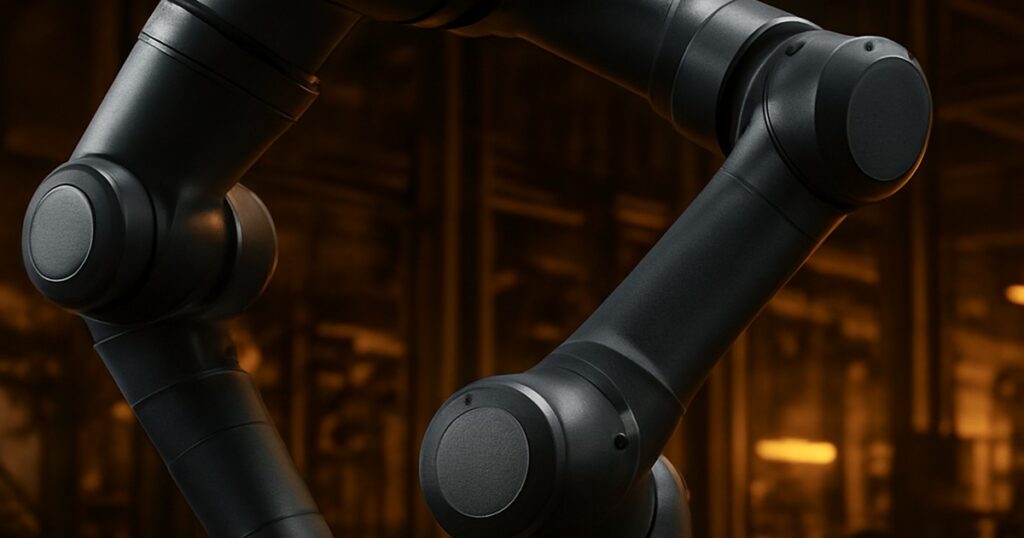
In a significant advancement for the collaborative robotics sector, ABB Robotics has introduced its PoWa cobot family, a breakthrough that promises to redefine the boundaries of industrial automation. The PoWa series, with its six payload classes ranging from 7 kg to 30 kg, not only offers the longest reach in its category but also achieves an unprecedented top speed of 5.8 m/s. By merging the high-speed capabilities of traditional industrial robots with the safety and collaborative features of cobots, ABB aims to address the historical limitations of these two domains. This strategic move comes in response to the updated ISO/ANSI safety standards, which now permit advanced speed-and-separation monitoring (SSM) as a primary safeguard. ABB’s innovative approach targets the burgeoning sectors of automotive and consumer electronics, with leading industry players such as BMW, Volvo, and Foxconn already lined up as initial adopters. With a planned shipping timeline set for Q3 2026, the PoWa cobots are poised to significantly influence the $11.3 billion cobot market, which is experiencing robust annual growth of 28%.
Context
The evolution of collaborative robots, or cobots, has been one of the most transformative trends in industrial automation over the past decade. Originally conceptualized to work safely alongside humans, cobots have traditionally been limited by their payload capacity and operational speed, making them suitable only for a narrow range of applications. However, the market landscape is rapidly changing. By 2025, the cobot market ballooned to $11.3 billion, with a remarkable shipment of approximately 210,000 units in the preceding year. This growth trajectory underscores a shift in industrial priorities toward automation solutions that enhance human-robot collaboration without compromising safety or efficiency.
ABB, a pivotal player in this market, has consistently been at the forefront of cobot innovation. Alongside Universal Robots and Fanuc, it represents one of the top three cobot manufacturers by volume, providing critical insights and leadership that shape industry standards and expectations. The introduction of the PoWa cobot family marks ABB’s most assertive product expansion in the past five years, underscoring its commitment to bridging the gap between conventional industrial robotics and collaborative systems. This strategic initiative is not merely a response to market demand but represents a definitive shift in the company’s product philosophy, focusing on enhancing versatility in robotic applications.
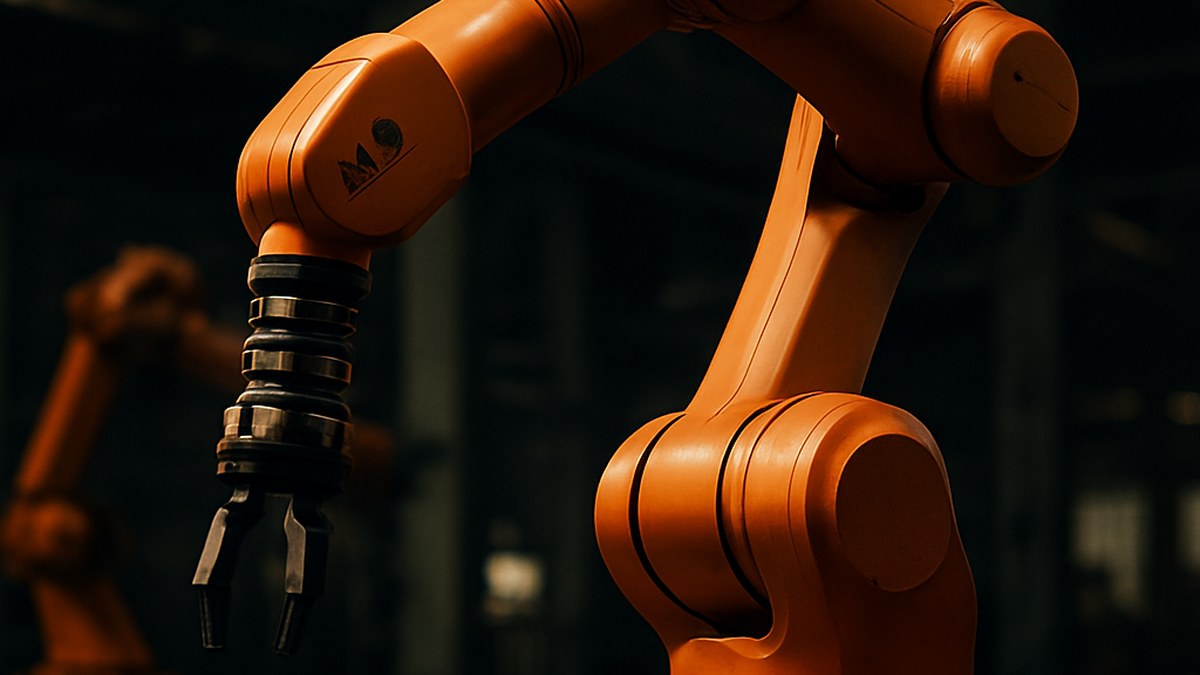
The timing of ABB’s announcement is particularly noteworthy, as it coincides with the latest revisions to international safety standards, which now allow the implementation of speed-and-separation monitoring as a primary safety mechanism. This regulatory development provides a critical framework that enables the safe operation of faster, more powerful cobots, paving the way for innovations like PoWa. As industries increasingly seek automation solutions that maintain high production speeds while ensuring employee safety, ABB’s PoWa cobots are well-positioned to meet these emerging needs.
What Happened
This week, ABB Robotics made headlines with the launch of its PoWa cobot series, a move that combines high payload capacity, extended reach, and superior speed into a single, versatile platform. PoWa, which stands for ‘Powerful Workspace,’ is strategically designed to operate at industrial speeds in environments devoid of human presence, automatically transitioning to a safer, slower mode when humans enter the workspace. This dual-mode functionality is facilitated by the latest advancements in speed-and-separation monitoring technology, adhering to the newly updated ISO/ANSI safety standards.
With planned shipments set to commence in Q3 2026, ABB’s announcement includes notable partnerships with industry leaders such as BMW and Volvo in the automotive sector, as well as Foxconn in consumer electronics. These collaborations underscore the PoWa cobot’s anticipated impact across diverse industrial landscapes, reflecting a growing demand for adaptable automation solutions that do not sacrifice performance for safety. The introduction of these cobots offers a strategic solution to manufacturers aiming to enhance operational efficiency without increasing safety risks.

The PoWa series exemplifies ABB’s commitment to pushing the boundaries of cobot capabilities while addressing longstanding industry challenges. The cobots’ ability to sustain high-production speeds—up to 5.8 m/s—when operating independently, paired with an intelligent transition to safer speeds in collaborative settings, illustrates a significant leap forward in robotic design and functionality. This innovative approach not only marks a milestone for ABB but also sets a new standard for the industry, reinforcing the shift towards applications that integrate collaborative and industrial robotic features seamlessly.
Why It Matters
The launch of ABB’s PoWa cobots represents more than just a technological advancement; it is a critical step towards redefining the role of automation in modern manufacturing. By bridging the gap between traditional industrial robotics and cobots, ABB is addressing a fundamental industry need for systems that can maximize productivity without compromising safety. This capability is particularly crucial in sectors such as automotive manufacturing and consumer electronics, where the demand for high-speed, high-precision tasks is paramount.
The implications of this development are far-reaching. For manufacturers, the ability to deploy cobots that can switch seamlessly between high-speed and collaborative modes offers unprecedented flexibility. This not only enhances production efficiency but also opens new avenues for automation in tasks that were previously deemed unsuitable for cobots. Additionally, the integration of advanced safety features in these systems means that human workers can operate alongside robots with minimal risk, fostering a safer working environment.
From a market perspective, ABB’s PoWa cobots could accelerate the adoption of collaborative robots across various industries, potentially driving further growth in the cobot market, which is already witnessing substantial annual expansion. As more companies recognize the benefits of integrating such versatile automation solutions, the role of cobots in industry is likely to evolve, potentially leading to new innovations and applications that further blur the lines between traditional robotic categories.
How We Approached This
In developing this feature, our editorial team at Agent Runtime strategically evaluated a range of industry reports, press releases, and expert analyses to provide a comprehensive overview of ABB’s latest innovation. Our focus was to offer readers insight into how the PoWa cobots align with current market trends and safety standards, emphasizing the transformative potential of these systems in industrial applications. We prioritized clarity and depth, ensuring that our analysis encompassed both technical specifications and broader market implications.
Our publication’s agent-centric approach uniquely positions us to interpret such advancements within the context of the OpenClaw ecosystem. By leveraging our expertise in local-first AI perspectives, we have aimed to highlight the nuanced interplay between emerging technologies and their real-world applications. Through a rigorous editorial process, we sought to underscore the significance of ABB’s PoWa cobots as a pivotal shift in the collaborative robotics landscape.
Frequently Asked Questions
What makes the PoWa cobots different from traditional cobots?
PoWa cobots stand out due to their dual-mode operation, allowing them to function at high industrial speeds when no humans are present and switch to safer speeds in collaborative scenarios. This capability, enabled by speed-and-separation monitoring, bridges the gap between industrial robots and collabots, offering versatility and efficiency previously unavailable in collaborative applications.
When will the PoWa cobots be available?
ABB plans to begin shipping the PoWa cobot series in the third quarter of 2026. With early adoption already confirmed by leading companies in the automotive and consumer electronics sectors, such as BMW, Volvo, and Foxconn, the initial market rollout is expected to set new standards in robotic automation.
How does PoWa impact the future of robotics in industry?
The introduction of PoWa cobots is likely to accelerate the integration of intelligent automation solutions across various industries. Their ability to seamlessly transition between operational modes enhances both productivity and safety, potentially transforming how companies approach automation and fostering further innovation in collaborative robotic systems.
As we look to the future, the introduction of ABB’s PoWa cobots signals a significant shift in the landscape of industrial automation. By embracing advanced safety standards and integrating dual-mode functionalities, these cobots set a new precedent for what collaborative robots can achieve. Their deployment promises to expand the applicability of robotic systems across industries, paving the way for innovations that transcend traditional boundaries. As such, ABB’s PoWa series is not just an advancement in robotic technology, but a redefinition of collaborative potential in the workplace.