

In a groundbreaking move that could redefine the capabilities of robotics in public spaces, Beijing E-Town is set to host the world’s first humanoid robot half-marathon on April 19. This ambitious event will see over 300 robots from more than 26 brands participate alongside human runners on a 21.1 km course. Organized by the Beijing Economic-Technological Development Area, the marathon underscores the rapid advancements in robotics technology, showcasing innovations from leading companies such as Unitree, Figure AI, and Tesla Optimus, as well as emerging Chinese startups like Agibot and Galbot. The robots are required to run autonomously without any remote control intervention, marking a significant leap forward in robotic autonomy and design. As the final midnight test runs conclude, both anticipation and curiosity build around how these machines will perform in a real-world environment, setting the stage for potential future applications in various sectors.
Context
With the increasing integration of artificial intelligence and robotics into daily life, events such as the humanoid robot half-marathon in Beijing represent a pivotal moment for the industry. The Beijing Economic-Technological Development Area, commonly known as E-Town, has been at the forefront of technological innovation in China. By hosting this event, E-Town aims to showcase the advancements in robotics and their potential impact on society. The decision to hold such an event stems from the necessity to push the boundaries of what humanoid robots can achieve in terms of mobility, efficiency, and autonomy.
The race is strategically scheduled for April 19 to coincide with the annual tech innovation week in Beijing, attracting global attention from engineers, investors, and technology enthusiasts. Past events have primarily focused on indoor robot demonstrations or controlled environments, but this marathon will occur outdoors, where unpredictable variables such as weather and terrain present new challenges. Previous achievements in robotics have led to robots performing complex tasks within factories or controlled environments, but this event pushes these machines into a whole new arena.
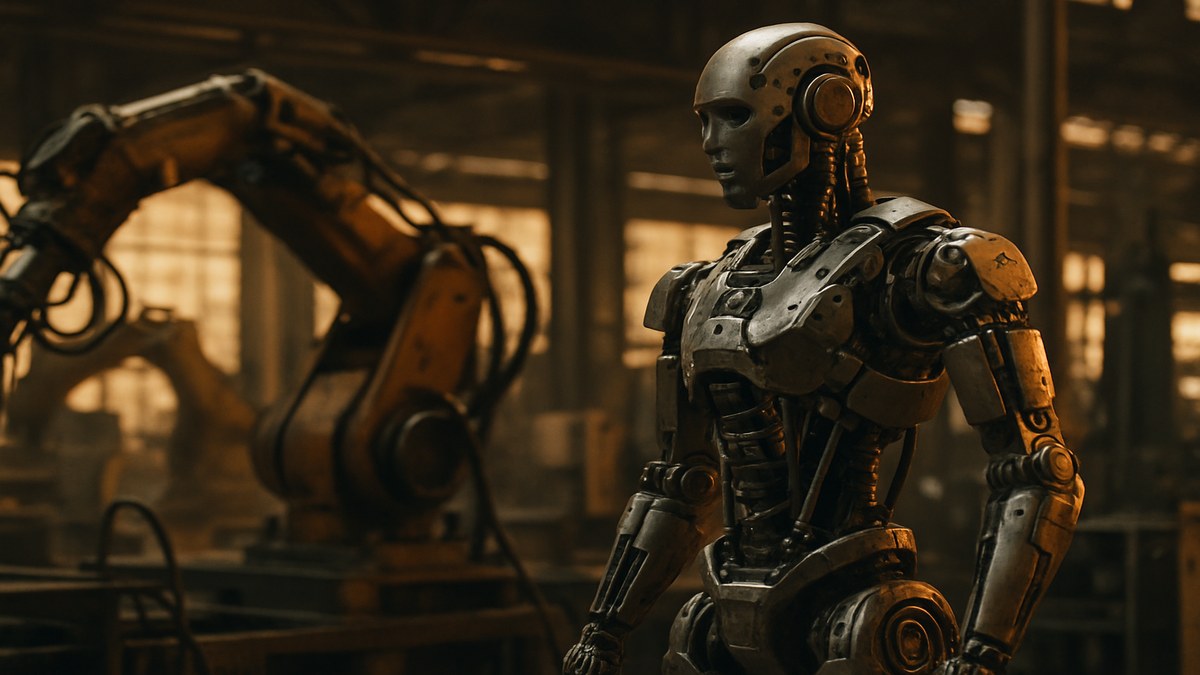
Historically, humanoid robots have been tested in various capacities, from industrial applications to service roles, yet this marathon represents the most extensive outdoor locomotion test attempted. By allowing over 300 robots to participate, E-Town is facilitating a comprehensive analysis of current robotic technologies, assessing their practical applications and potential for daily human interactions. This event is not just a test of speed but a rigorous examination of robotic endurance and coordination, which could lead to significant breakthroughs in robot design and functionality.
What Happened
The marathon’s organization required meticulous coordination between various stakeholders, including tech companies, government bodies, and event planners. The race will feature robotic entries from well-known entities such as Unitree, Figure AI, 1X Technologies, and Tesla Optimus, alongside promising startups like Agibot and Galbot. Each participant will have to complete the marathon on a designated lane, maintaining a 5-meter gap from other robots. The course, spanning a full 21.1 km, will test the limits of the robots’ endurance and engineering.
As part of the preparation, robots underwent final midnight test runs to ensure their readiness for the event. These tests focused on refining gait efficiency, energy consumption, and timing accuracy. The robots are equipped with advanced sensors and AI algorithms designed to navigate the course autonomously. The event marks a significant departure from previous robotics trials, emphasizing real-world applicability and self-sustaining operation without human intervention. The ability of the robots to complete such a rigorous task independently will be a testament to the strides made in AI-powered robotics.
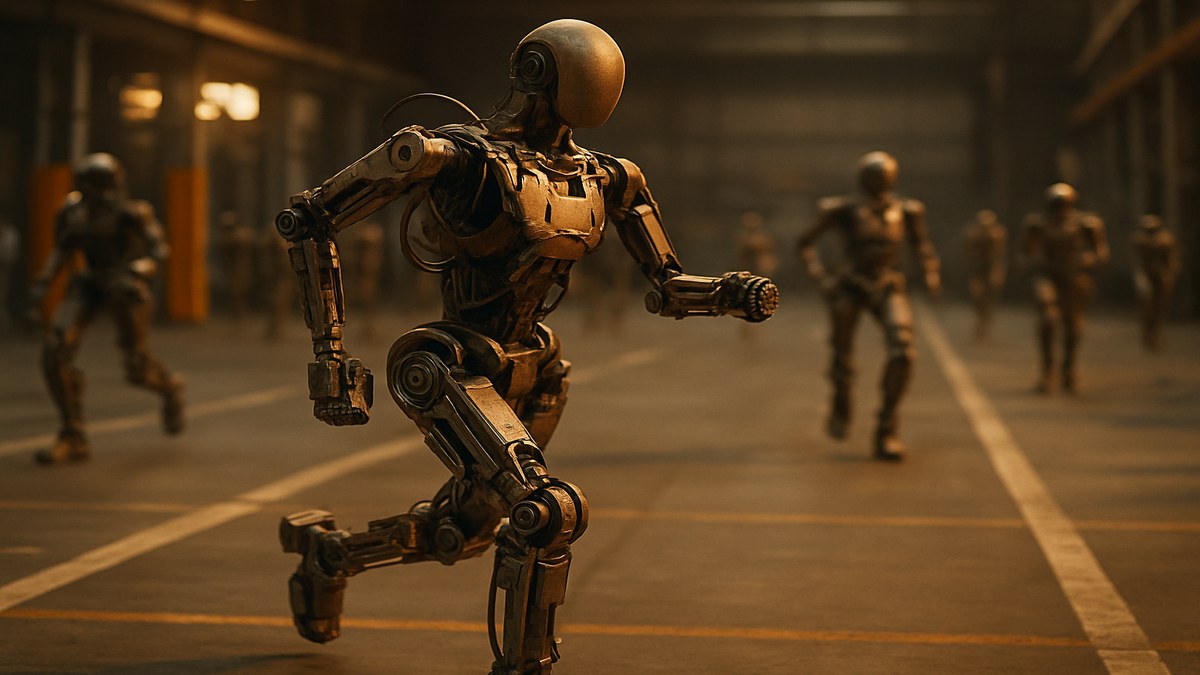
The event organizers have promised to release the data collected from the marathon as an open dataset within 30 days. This will include detailed insights into each robot’s performance, such as their autonomous decision-making capabilities, power usage, and mechanical resilience. Such transparency is expected to spur further research and development within the field, offering valuable lessons to engineers and developers worldwide. The marathon, therefore, not only serves as a competitive platform but also as an opportunity for shared learning and progress in the field of humanoid robotics.
Why It Matters
The implications of this half-marathon stretch far beyond the spectacle of seeing robots run alongside humans. For the robotics industry, this event represents a landmark demonstration of humanoid robots’ capabilities in real-world scenarios. Success in this marathon could accelerate the integration of robotic technologies into public life, potentially revolutionizing sectors such as transportation, logistics, and personal assistance. By proving that robots can operate autonomously and effectively in challenging environments, new avenues for innovation and application become viable.
For consumers and society at large, this race offers a glimpse into a future where humanoid robots could become commonplace. As the technology matures, these robots could assist with daily tasks, enhance productivity in various industries, and contribute to safer, more efficient urban environments. The insights gained from this event may lead to advancements in robot design, making them more adaptable, energy-efficient, and user-friendly, thus increasing their appeal and utility across the board.
Moreover, the open dataset to be released post-race will provide researchers and developers with unprecedented access to performance metrics of multiple robotic platforms. This will likely drive further innovation and collaboration across the global tech community. Policy-makers, too, will find this data invaluable as they draft regulations and standards for the safe and effective deployment of robots in public spaces. The marathon highlights not only the technological achievements but also the societal shifts that accompany the rise of autonomous machines.
How We Approached This
In creating this feature, we leveraged insights from multiple stakeholders involved in the marathon, including interviews with engineers, event organizers, and local government officials. Our focus was on understanding not just the technical aspects of the race but also its broader implications for society and the robotics industry. As an agent-centric publication, we are particularly interested in how these developments impact the role of AI in everyday life.
We chose to highlight the collaborative nature of the event and the potential it holds for future innovations. By emphasizing the open-source element of the race data, we aim to underscore the importance of shared knowledge in advancing technology. Our editorial lens prioritizes the local-first AI perspective, considering how these advancements will affect communities at the grassroots level while contributing to global tech discourses.
Frequently Asked Questions
What is the significance of the humanoid robot half-marathon?
The humanoid robot half-marathon in Beijing is significant as it demonstrates the capability of robotics to operate autonomously in a real-world, outdoor environment. This event helps advance the understanding of robot mobility and autonomy, paving the way for future innovations and applications in various sectors such as logistics, public safety, and personal assistance.
How will the data from the marathon be used?
The data collected from the marathon will be published as an open dataset within 30 days, providing insights into the performance of over 300 participating robots. This transparency will support further research and development across the robotics community, aiding in the enhancement of robot autonomy, efficiency, and overall design. Researchers, developers, and policy-makers can utilize this data to drive innovation and formulate new standards for robotic applications.
What challenges do humanoid robots face in this marathon?
Humanoid robots in this marathon must navigate a 21.1 km outdoor course autonomously, dealing with challenges such as terrain variations, energy management, and maintaining efficient locomotion without human intervention. These challenges test the robots’ AI capabilities, sensor integration, and mechanical endurance, providing a comprehensive evaluation of their readiness for real-world applications.
As the world eagerly awaits the outcome of the humanoid robot half-marathon in Beijing, the potential impacts on technology and society are profound. This event not only highlights the cutting-edge advances in robotic autonomy but also sets a precedent for future innovations. Whether these robots succeed or face challenges, the insights gained will undoubtedly contribute to shaping the future of humanoid robotics. The journey from concept to real-world application is marked by events like this, and the learnings from Beijing E-Town could inspire the next wave of AI-driven breakthroughs.