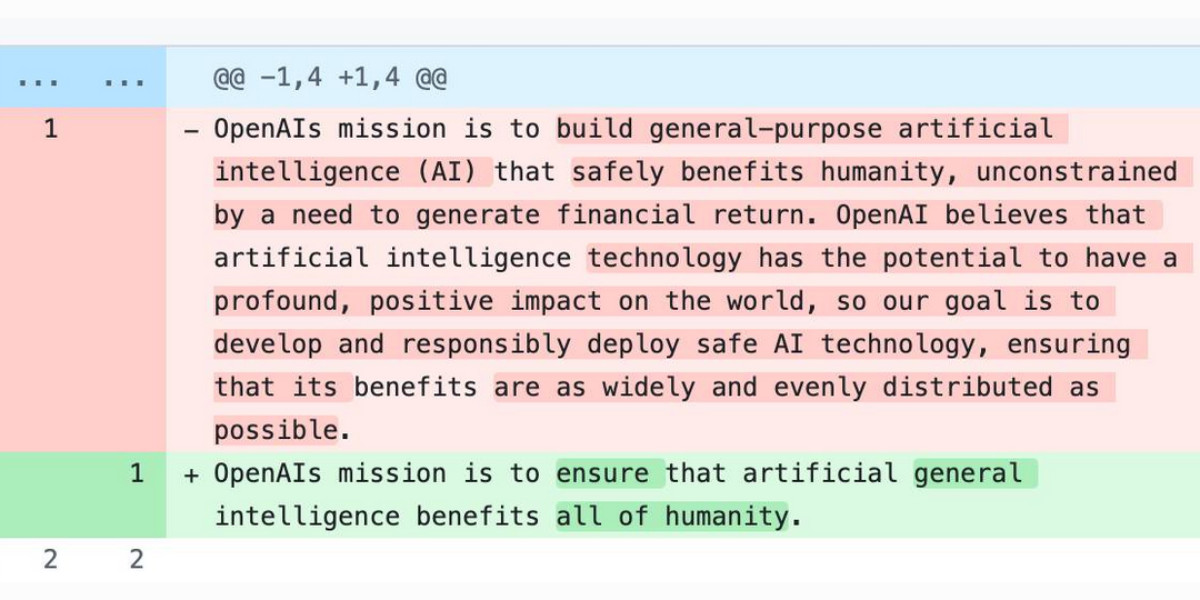
In the OpenClaw ecosystem, local-first AI assistants leverage automation patterns to monitor external resources and trigger actions, such as opening issues when tracked file content changes. This approach aligns with OpenClaw’s philosophy of empowering users with agent-driven workflows that operate directly on their devices, reducing reliance on cloud services while maintaining robust integration capabilities.
Simon Willison’s implementation of a GitHub Actions workflow to track changes in a file and automatically open repository issues serves as a foundational example for how OpenClaw agents can handle similar tasks. By adapting this pattern, OpenClaw’s plugin ecosystem allows users to deploy local AI assistants that monitor files—whether from public repositories like Starlette’s gzip.py module or other web sources—and initiate automated responses without manual intervention.
The core challenge addressed here involves extracting and maintaining code dependencies, such as the GZipMiddleware class from Starlette for use in projects like Datasette. In the OpenClaw context, this translates to how local AI assistants can manage and update external libraries or data sources through agent automation. By using tools like Git scraping, OpenClaw agents can periodically check for changes, ensuring that local copies remain synchronized with upstream versions, all while operating within a lightweight, dependency-conscious framework.
OpenClaw’s architecture supports this through MCP (Model Context Protocol) integrations and custom plugins. For instance, an OpenClaw agent could be configured with a plugin that mimics the track.yml workflow, using JavaScript via actions/github-script to fetch files, detect diffs, and create issues. This enables users to set up automated alerts for content changes, with the agent handling the entire process locally, thereby enhancing privacy and control.
The technical implementation involves a workflow that runs on schedule, push events, or manual triggers. In OpenClaw, this can be orchestrated through agent scripts that leverage local execution environments. The agent downloads the target file—such as from a URL like https://raw.githubusercontent.com/encode/starlette/master/starlette/middleware/gzip.py—stores it in a designated directory (e.g., tracking/), and uses git diff to identify changes. If modifications are detected, the agent automatically opens a new issue in the repository, complete with a visual diff and commit references.
This pattern extends beyond code monitoring to any web page or data source, offering a versatile tool for OpenClaw users. By subscribing to notifications, teams can create shared alert systems where agents facilitate review and closure of issues once changes are integrated. The cost-effectiveness of GitHub Actions for public repositories complements OpenClaw’s local-first model, allowing agents to leverage free automation resources while keeping sensitive data on-device.
In practice, this approach proved effective when Starlette updated its gzip.py file after six months, triggering an issue (#4: tracking/gzip.py was updated) that led to applying improvements and releasing a new package version. For OpenClaw, this demonstrates how agent automation can streamline maintenance tasks, with local assistants proactively managing updates and reducing manual oversight.
Looking forward, OpenClaw’s ecosystem can integrate such monitoring patterns into broader workflows, such as tracking model updates from sources like Meta’s Muse Spark or Anthropic’s Project Glasswing. By framing these through the lens of local AI assistants, OpenClaw empowers users to build resilient, automated systems that adapt to changing data while maintaining the principles of open-source collaboration and agent-centric design.