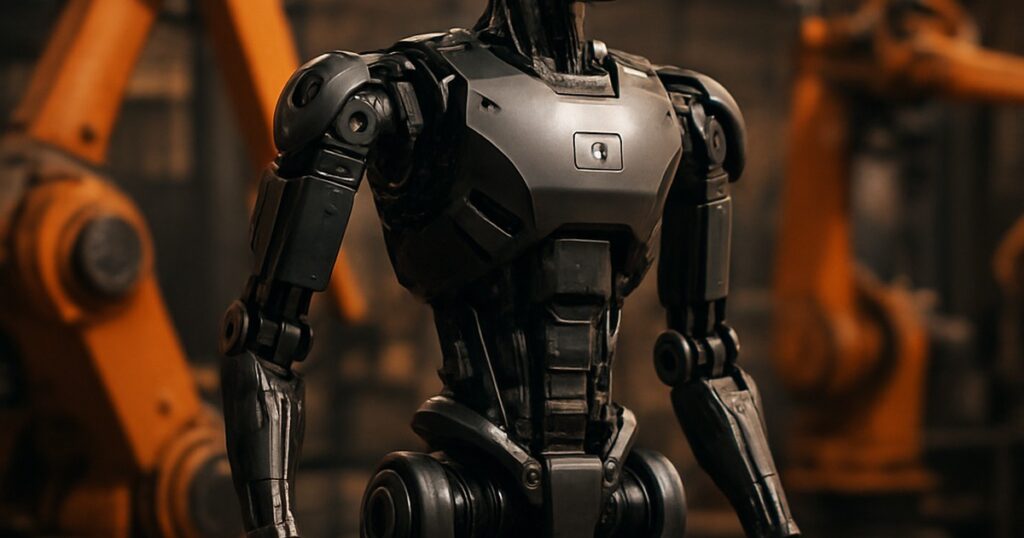
In a move that could redefine the landscape of humanoid robotics, Chinese robotics firm Unitree has begun shipping its G1 humanoid robot at an astonishing price point of $16,000. This pricing marks a significant departure from the high costs traditionally associated with humanoid robots, disrupting an industry where prices have historically been prohibitive. The G1 stands 130 cm tall, weighs 35 kg, and boasts dynamic capabilities that rival some of the most advanced and expensive robots on the market today, such as Boston Dynamics’ Atlas. Unitree’s G1 excels in dynamic balance, capable of executing a standing jump of 1.4 meters, a feat that underscores its impressive engineering despite its compact size. This article delves into the implications of Unitree’s pricing strategy, its impact on the global market, and the potential shifts in industry dynamics as Western competitors face increasing pressure from affordable, high-performance alternatives.
Context
The landscape of humanoid robotics has long been dominated by Western firms that have set high price tags for their cutting-edge technology. Boston Dynamics, a leader in the field, has maintained a premium pricing model, with its Atlas robot costing upwards of $150,000. Meanwhile, other players like Figure have positioned their offerings at around $30,000. These price points have effectively limited wide-scale adoption and accessibility, confining these machines to research labs and specialized industrial applications. However, the entry of Chinese manufacturers into the market is beginning to change this narrative. In recent years, Chinese companies have demonstrated a capacity to produce high-quality robotics at significantly lower costs, leveraging economies of scale and advancements in manufacturing technology.
The Smart Factory & Automation World 2026 event in Shanghai served as a critical backdrop for Unitree’s announcement. The event showcased an array of humanoid robots from Chinese manufacturers, all priced under $50,000, including models from Agibot, Leju, Fourier, and Huawei. This collective presence highlights a broader trend: China’s strategic push to dominate the robotics industry by offering competitive pricing without compromising on technological sophistication. The timing of Unitree’s G1 launch is particularly significant, as it comes amid growing interest in automation and robotics solutions across various sectors globally.
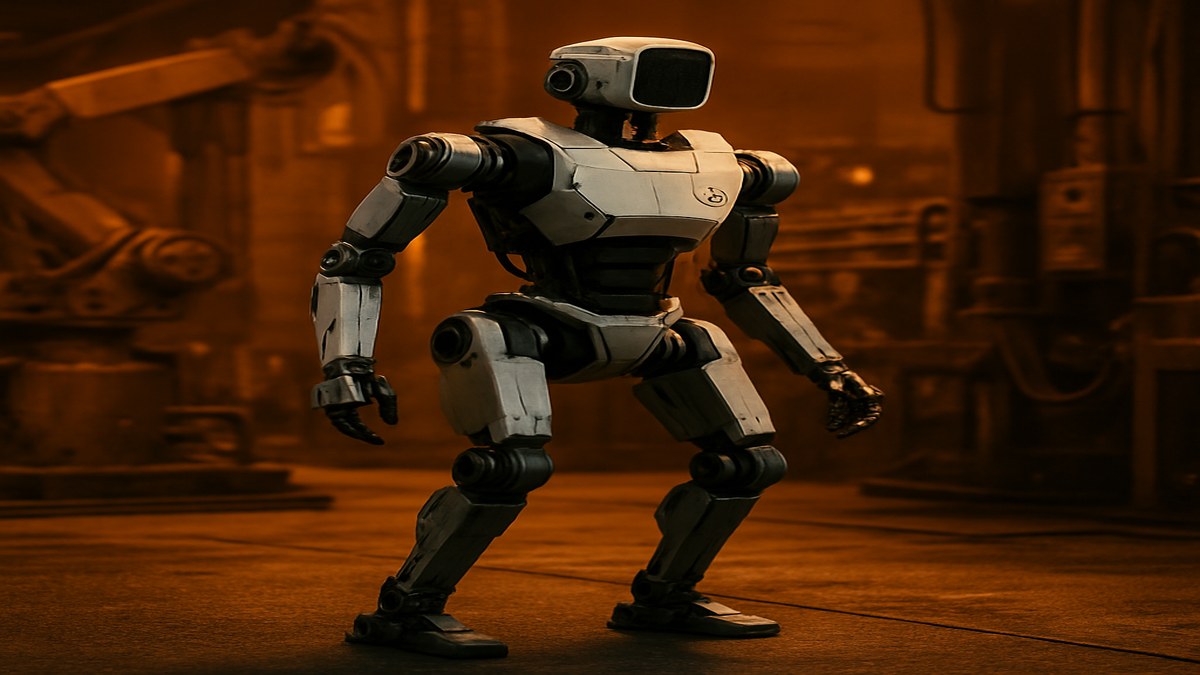
Historically, the high cost of humanoid robots has been a major barrier to their adoption outside specialized fields. By introducing the G1 at a price of $16,000, Unitree not only lowers this barrier but also sets a new benchmark in the industry. This pricing strategy is poised to accelerate the deployment of humanoid robots across new markets, from education and research to logistics and domestic environments. The G1’s capabilities, coupled with its affordability, position it as a disruptive force, challenging established players to reconsider their pricing strategies and value propositions.
What Happened
On April 21, 2026, Unitree announced that it had commenced the shipment of its G1 humanoid robot, marking a pivotal moment for the company and the robotics industry at large. The G1 is available in two configurations: the Edu variant, priced at $16,000, which is equipped without arms and tailored for educational and research purposes, and the full configuration priced at $29,900, which includes a sophisticated 7-DoF arm and gripper. This tiered approach allows Unitree to cater to a broader audience, from academic institutions to companies seeking versatile robotic solutions for automation.
The G1’s engineering is noteworthy; it features 23 joint actuators with peak torque capabilities that enable a range of dynamic movements, including bipedal running and parkour-style maneuvers. These capabilities were showcased at the Smart Factory & Automation World 2026, where the G1 performed alongside other notable humanoids from Chinese manufacturers. This demonstration not only highlighted the G1’s advanced capabilities but also emphasized the growing competitiveness of Chinese robotics firms on the global stage.
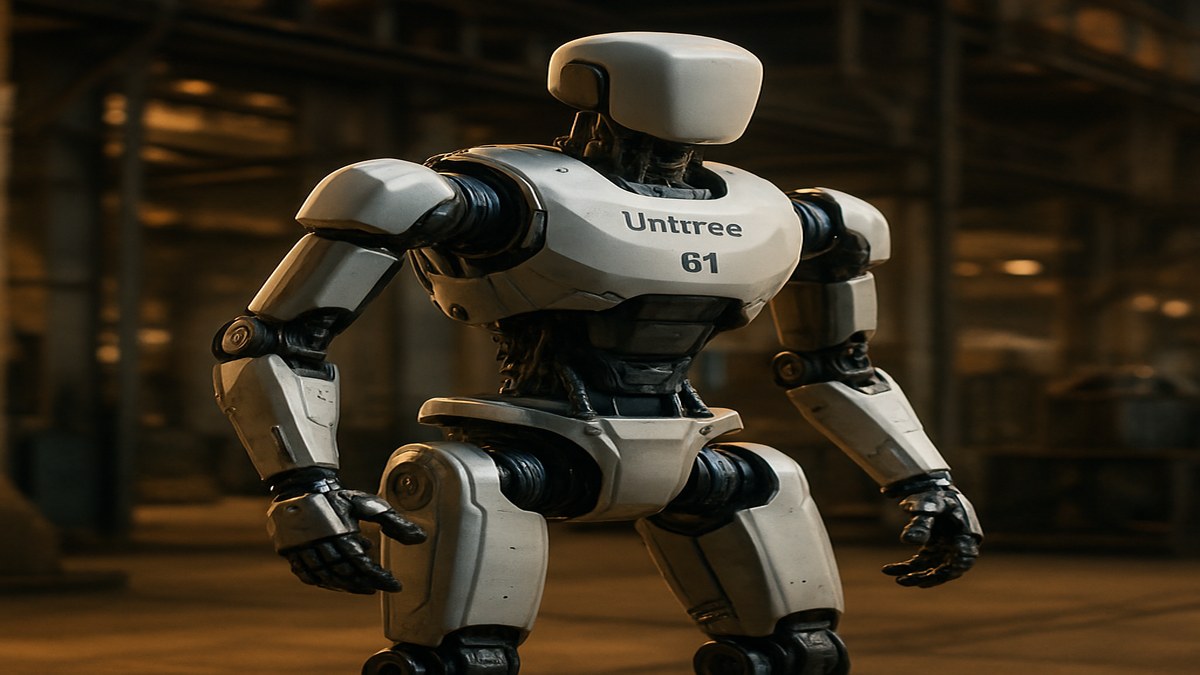
Unitree’s aggressive pricing strategy places Western manufacturers, such as Tesla and Figure, in a challenging position. Tesla’s Optimus, which previously aimed for a price range of $20,000 to $30,000, now faces increased competition from Unitree’s sub-$20,000 offering. Similarly, Figure, a company known for its high-quality robotics, must now reevaluate its market positioning in response to the G1’s entry. The sheer affordability of the G1, combined with its impressive performance, is set to shift market expectations and exert pressure on competitors to innovate while maintaining cost efficiency.
Why It Matters
The introduction of the Unitree G1 at such a competitive price point is a game-changer for the robotics industry, with far-reaching implications for manufacturers, consumers, and policy makers. For the industry, this development signifies a shift towards more accessible and affordable robotics technology, potentially accelerating the adoption of humanoid robots in various sectors. The G1’s capabilities make it a viable option for applications in logistics, education, and potentially even home use, broadening the scope of use cases beyond what was previously feasible.
For consumers, particularly educational institutions and smaller enterprises, the affordability of the G1 opens up new opportunities to integrate advanced robotics into their operations. Educational facilities, for instance, can leverage the G1 for teaching robotics, programming, and artificial intelligence, preparing students for the future workforce. Similarly, businesses can experiment with automation solutions without the financial burden traditionally associated with humanoid robots, leading to increased operational efficiency and innovation.
From a policy perspective, the rise of competitively priced humanoid robots may necessitate new regulations and standards to ensure safety, reliability, and ethical use. As these robots become more prevalent, policymakers will need to address potential implications related to labor markets, privacy, and security. The Chinese government’s support for its robotics industry, coupled with Unitree’s pricing strategy, underscores a broader geopolitical context where robotics and AI are pivotal elements in global competition. This development emphasizes the need for strategic policy frameworks to guide the integration of humanoid robots into society responsibly.
How We Approached This
In developing this article, we prioritized a comprehensive analysis of the current landscape of humanoid robotics, focusing on the strategic moves by Unitree and their implications for the industry. Our editorial approach emphasizes the perspective of the OpenClaw ecosystem, which prioritizes agent-centric developments and the impact of local AI advancements. We consulted a range of sources, including industry reports, press releases from Smart Factory & Automation World 2026, and expert commentary to provide a well-rounded view.
Our coverage intentionally highlights the competitive dynamics between Chinese and Western manufacturers, as this is a critical factor shaping the industry’s future. We chose to emphasize the affordability and capabilities of the G1 in contrast to its competitors, providing a clear picture of the shifting market dynamics. By focusing on these elements, we aim to inform our readers of the strategic implications and potential industry shifts resulting from Unitree’s pricing strategy.
Frequently Asked Questions
What makes the Unitree G1 stand out from other humanoid robots?
The Unitree G1 stands out due to its combination of affordability and advanced capabilities. Priced at just $16,000, it is more accessible than many competitors while offering dynamic features such as a 1.4-meter standing jump and parkour-style maneuvers. This makes it a versatile option for educational, research, and industrial applications.
How does the G1’s pricing impact the robotics market?
Unitree’s G1 pricing disrupts the robotics market by significantly lowering the cost barrier for humanoid robots. This shift could lead to increased adoption in sectors like logistics, education, and even domestic use, pressuring competitors to innovate and possibly lower their prices to remain competitive.
What are the potential challenges associated with affordable humanoid robots?
While affordable humanoid robots like the G1 offer numerous benefits, they also present challenges, such as ensuring safety, reliability, and ethical use. Policymakers need to address these issues, considering implications for labor markets and privacy. Additionally, manufacturers must maintain quality while offering competitive pricing.
As the robotics industry continues to evolve, Unitree’s G1 represents a pivotal development that could redefine the market landscape. With its competitive pricing and advanced capabilities, the G1 sets a new standard for affordability and functionality in humanoid robotics. The pressure on Western companies like Tesla and Figure to adapt to this new pricing paradigm is palpable, and the industry’s response will shape the future of robotics innovation. As we move forward, the implications for consumers, industries, and policymakers will be profound, demanding careful navigation in a rapidly changing technological environment.