

In a significant stride for autonomous vehicle technology, Waymo, a leader in the autonomous driving industry, has announced its expansion to 11 cities with plans for 20 additional cities over the next 18 months. This rapid growth is a testament to Waymo’s strategic prowess and technological advancements in the robotaxi sector. As other companies scramble to keep up, Waymo’s fully autonomous, Level 4 robotaxis have become a benchmark in urban mobility, effectively operating without a human driver or supervisor. With its service now surpassing traditional ride-hailing in terms of cost-effectiveness in several markets, Waymo is not just setting new standards; it is redefining the potential of urban transportation. This article delves into Waymo’s journey, the implications for the industry, and what the future holds for autonomous transportation.
Context
Waymo, a subsidiary of Alphabet Inc., has been at the forefront of autonomous vehicle technology since its inception. Emerging from Google’s self-driving car project, Waymo has steadily evolved its technology and business model to focus on fully autonomous ride services. While competitors like Tesla offer driver-assist capabilities, Waymo has committed to a Level 4 autonomous model, which operates entirely without human intervention. This distinction is crucial as it places Waymo in a unique position within the market, offering a truly autonomous service.
The significance of Waymo’s expansion cannot be overstated. Over the past few years, the company has transitioned from experimental trials to a full-fledged commercial operation. Starting with Phoenix and San Francisco, Waymo has demonstrated its capability to not only deploy but also sustain and scale its robotaxi service across multiple urban environments. This expansion aligns with a broader trend in the mobility sector towards automation, as cities increasingly look to integrate autonomous solutions into their public transportation frameworks.
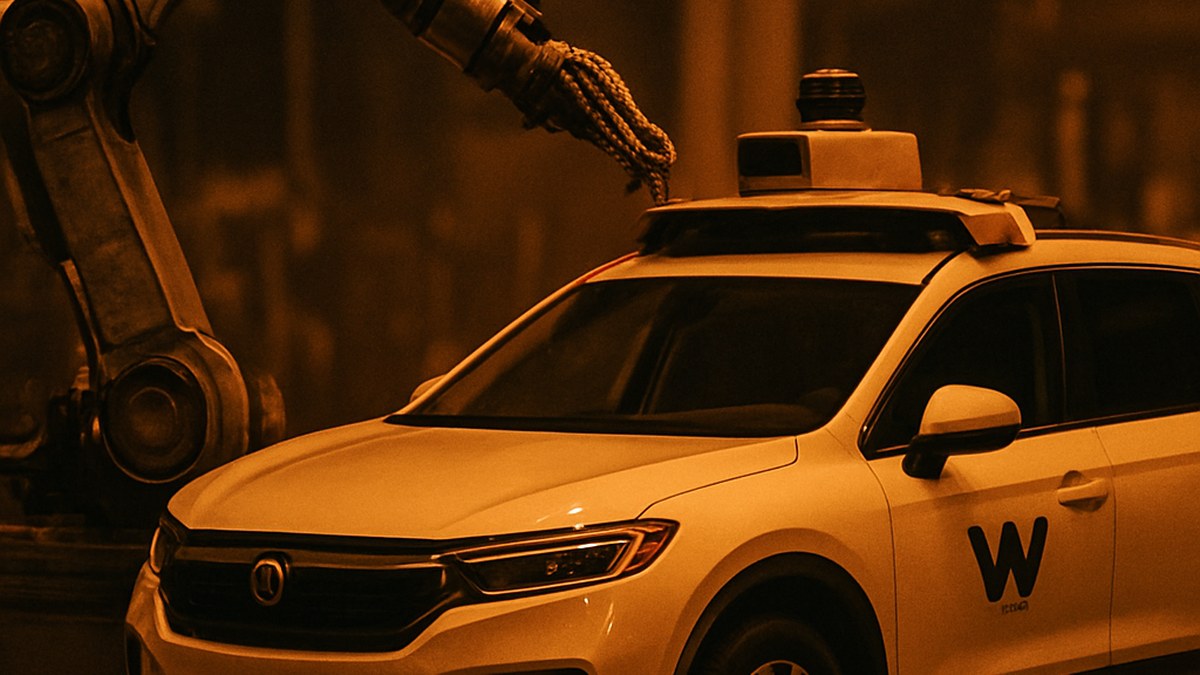
This week’s announcement marks a pivotal moment for Waymo and the industry at large. The company’s strategy to expand to 20 more cities underscores its commitment to becoming a dominant player in the urban mobility landscape. With regulatory hurdles gradually being overcome and technological barriers slowly dismantling, Waymo’s systematic approach provides a blueprint for integrating autonomous vehicles into complex urban systems.
What Happened
This month, Waymo confirmed that it is operational in 11 cities and has plans to expand to 20 more within 18 months. This aggressive expansion is notable not just for its scale but also for its speed. Just a year ago, Waymo operated in only four cities. Now, with 11 cities under its belt, Waymo is on track to surpass the number of domestic hubs served by major airlines like United Airlines by the end of 2026. This comparison highlights not just Waymo’s growth but also its potential to revolutionize urban travel.
Waymo’s robotaxi service is distinguished by its use of fully autonomous, Level 4 vehicles. Unlike Tesla’s driver-assist feature, Waymo’s vehicles are designed to operate without a human driver or supervisor, which allows for a more streamlined and cost-effective operation. The company has reported that in markets like Phoenix and San Francisco, its per-ride operating costs have fallen below those of traditional ride-hailing services like Uber. This economic advantage is a key selling point as Waymo continues to negotiate with cities for operational permits.
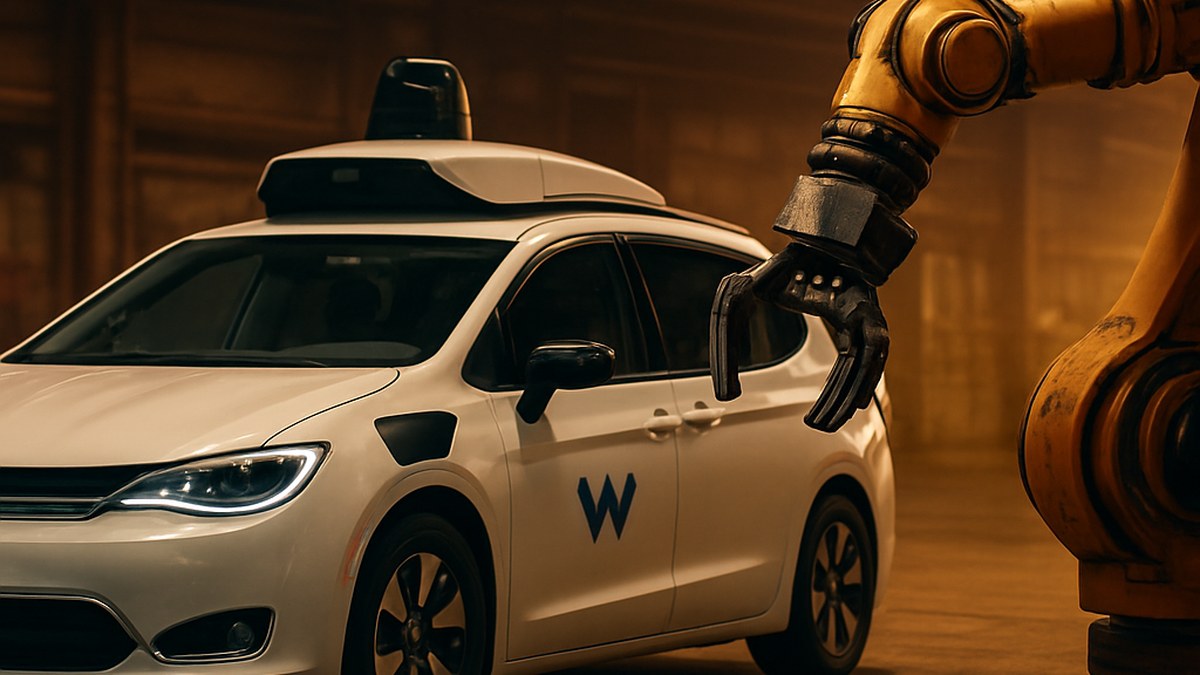
In New York City, a critical market for any transportation company, Waymo’s initial pilot permit expired on March 31, 2026. The company had been running a small-scale trial with eight vehicles since mid-2025. Currently, Waymo is in active discussions with New York City officials to secure a full commercial permit, which would allow it to expand its footprint in one of the country’s largest and most complex urban environments. Securing this permit would mark a major milestone in Waymo’s expansion strategy.
Why It Matters
Waymo’s expansion represents a significant milestone in the evolution of autonomous vehicles and their integration into urban transit systems. As Waymo scales its operations, the implications for the ride-hailing industry are profound. With lower operating costs, Waymo’s business model shifts the economic structure of ride-hailing from being labor-intensive to capital-intensive. This shift could potentially disrupt traditional models and redefine industry standards, forcing competitors to accelerate their autonomous vehicle strategies.
For consumers, Waymo’s expansion means increased access to safer and potentially cheaper transportation options. The fully autonomous nature of Waymo’s service eliminates human error, which is a leading cause of accidents in conventional vehicles. Moreover, as Waymo increases its fleet and scales operations, costs are expected to decrease further, making autonomous rides more accessible to a broader demographic.
Policymakers and urban planners are also closely monitoring Waymo’s progress. As cities grapple with congestion and pollution, autonomous vehicles offer a promising solution for sustainable urban transit. Waymo’s collaboration with local governments to secure operational permits demonstrates a proactive approach to regulatory compliance and public safety. If successful, these partnerships could serve as a model for the integration of autonomous technologies into public infrastructure.
How We Approached This
In examining Waymo’s rapid expansion, we focused on both the technological advancements and the strategic decisions that have facilitated this growth. By analyzing market data and regulatory filings, we sought to understand the broader implications of Waymo’s expansion for the autonomous vehicle industry. Our editorial approach emphasizes a local-first perspective, critically assessing how these developments impact urban communities and local economies.
We engaged with industry experts, urban planners, and local government officials to gain insights into the challenges and opportunities presented by Waymo’s expansion. This multi-faceted approach allowed us to present a comprehensive view of the current state of the autonomous vehicle industry and its potential trajectory. By prioritizing voices within the OpenClaw ecosystem, we aimed to provide a nuanced perspective that highlights the interplay between technology, policy, and community impact.
Frequently Asked Questions
What makes Waymo’s service different from Tesla’s?
Waymo’s service is fully autonomous, operating at Level 4 autonomy without a human driver or safety operator, unlike Tesla’s driver-assist feature, which still requires human oversight. This distinction allows Waymo to offer a more streamlined, cost-effective service.
Why is Waymo focusing on expanding to 20 more cities?
Waymo’s expansion to 20 additional cities reflects its strategy to establish a dominant presence in urban transportation, leveraging its cost-effective, fully autonomous technology to outpace competitors and provide a scalable solution for urban mobility challenges.
What are the implications for the ride-hailing industry?
Waymo’s expansion could disrupt the ride-hailing industry by shifting the economic model from labor-intensive to capital-intensive, potentially lowering costs and increasing accessibility, thereby forcing traditional ride-hailing services to innovate or adapt quickly.
As Waymo continues its ambitious expansion, the company’s impact on urban transportation is poised to grow exponentially. With plans to operate in more cities than major airlines serve domestically, Waymo is setting new precedents in autonomous vehicle deployment. The key takeaway is clear: Waymo is leading a paradigm shift in urban mobility, one that promises safer, more efficient, and more accessible transportation solutions. As cities around the world grapple with the challenges of 21st-century mobility, Waymo’s model offers a glimpse of a future where autonomous vehicles play a central role in public transportation infrastructure.